
















FAQs Navigator
Our Guide to Common Queries
IMPORTANT: EDTC Platform Operational Notice
The EDTC website and initiative are currently presented as demonstrative platforms developed for fundraising purposes. Platform features, services, memberships, and marketplace operations may evolve as the initiative progresses.
1. What is the European Digital Trade Center (EDTC)?
EDTC is a technology transfer and learning platform that helps businesses and governments adopt green digital trade, eLogistics, and sustainable transportation solutions.
2. What services does EDTC provide?
EDTC provides digital trade training, eLogistics consulting, supply chain optimization, regulatory compliance support, data analysis, project management, and technical support.
3. What is digital trade?
Digital trade uses electronic systems, digital documents, online platforms, and data-driven processes to make international commerce faster, more transparent, and more efficient.
4. What is eLogistics?
eLogistics is the use of digital technologies to manage transportation, freight information, warehousing, customs, documentation, and supply chain operations.
5. Who can benefit from EDTC services?
Businesses, governments, logistics providers, traders, supply chain professionals, and organizations transitioning from paper-based to digital operations can benefit from EDTC services.
6. What type of training does EDTC offer?
EDTC offers online training in digital trade, logistics, supply chains, trade finance, project management, regulatory compliance, sustainability, transportation, and related business skills.
7. Does EDTC provide customized corporate training?
Yes. EDTC can support role-specific workforce training tailored to an organization’s digital trade, eLogistics, compliance, and supply chain objectives.
8. What is the EDTC B2B/B2G Digital Marketplace?
The marketplace is a digital platform that helps businesses and public-sector organizations connect, promote products, and explore international trading opportunities.
9. What products can be promoted through the marketplace?
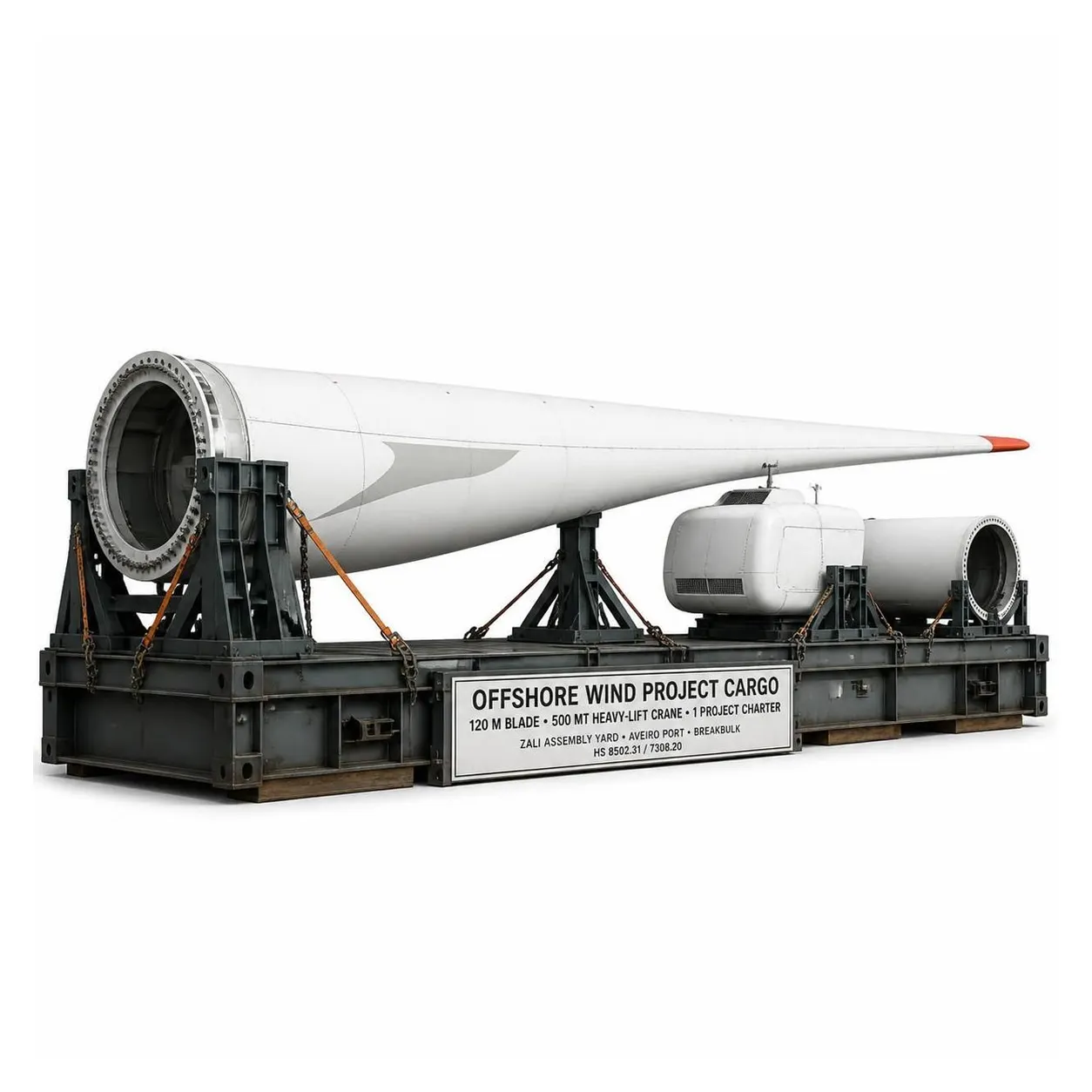
The marketplace includes categories such as agrifood and beverages, raw materials, energy and chemicals, industrial products, forestry and cellulose, premium spirits, and project cargo.
10. How can a company access the marketplace?
Companies can begin by selecting a suitable membership plan, completing the required training, and meeting the platform’s participation and compliance requirements.
11. Does EDTC support international trade?
Yes. EDTC supports cross-border trade by connecting traders, promoting commodities and consignments, and providing guidance on logistics, documentation, compliance, and market access.
12. How does EDTC improve supply chain visibility?
EDTC uses digital tools, real-time information, data analysis, and reporting to help organizations improve tracking, transparency, coordination, and decision-making.
13. How can I contact EDTC or book a consultation?
You can contact EDTC by email, phone, or through the website’s meeting-booking option to discuss training, consulting, marketplace participation, or digital transformation needs.
1. What types of courses does EDTC offer?
EDTC offers foundation, applied, and advanced courses covering digital trade, logistics, supply chains, trade finance, transportation, sustainability, regulatory compliance, data analysis, negotiation, project management, and related business subjects.
2. Are EDTC courses suitable for beginners?
Yes. Foundation courses are designed for learners with little or no previous experience. Applied and advanced courses are available for learners who want to develop more specialized or practical skills.
3. What is included in an EDTC course?
Depending on the course, learners may receive structured lessons, text-based learning materials, short video summaries, quizzes, practical scenarios, downloadable worksheets, checklists, reference materials, and decision-making tools.
4. Are EDTC courses self-paced?
Yes. All courses are designed for flexible, self-paced study. Learners can access the available lessons, complete activities, and continue their studies according to their own schedule.
5. How long does it take to complete a course?
Course duration varies by subject and level. Each course page displays an estimated study time, allowing learners to plan their learning schedule before enrolling.
6. How do I enroll in a course?
Select the course you want to take, review its description and requirements, and choose the enrollment or purchase option. After payment is confirmed, the course will be added to your learner account.
7. Can I access my course from different devices?
Yes. EDTC courses are designed for access through modern internet-connected devices, including desktop computers, laptops, tablets, and smartphones. A stable internet connection is recommended for video and interactive content.
8. Do courses include quizzes or assessments?
Many courses include knowledge checks, quizzes, scenario-based activities, or final exercises. Assessment requirements vary by course and are explained on the relevant course page. Our online learning system can support multiple question formats, passing scores, retakes, progress tracking, and learner performance records.
9. Will I receive a certificate after completing a course?
Our courses provide a digital EDTC Certificate of Completion after the learner satisfies the stated completion requirements. Certificate conditions include completing the lessons, passing required quizzes, and submitting any required final activity.
10. Do EDTC certificates represent official professional or government certification?
No. EDTC certificates confirm course completion or demonstrated learning within the EDTC platform. They do not replace a university degree, professional license, government qualification, financial certification, legal authorization, or regulated-sector approval. Course content is educational and does not constitute individualized legal, financial, banking, insurance, customs, or regulatory advice.
11. Does EDTC provide customized corporate training?
Yes. EDTC can support role-specific workforce training tailored to an organization’s digital trade, eLogistics, compliance, and supply chain objectives.
EDTC Membership Plans provide access to multiple learning resources and selected Digital Marketplace assets. Individual courses may also be available for separate purchase, depending on the course and current offer. Content, assessments, certificates, access periods, and membership benefits should always be confirmed on the relevant course or membership page.
1. What is the EDTC Digital Marketplace?
The EDTC Digital Marketplace is a private B2B/B2G platform designed to connect qualified buyers, sellers, traders, logistics providers, and public-sector organizations for commercial trade facilitation.
2. What types of products and opportunities are listed?
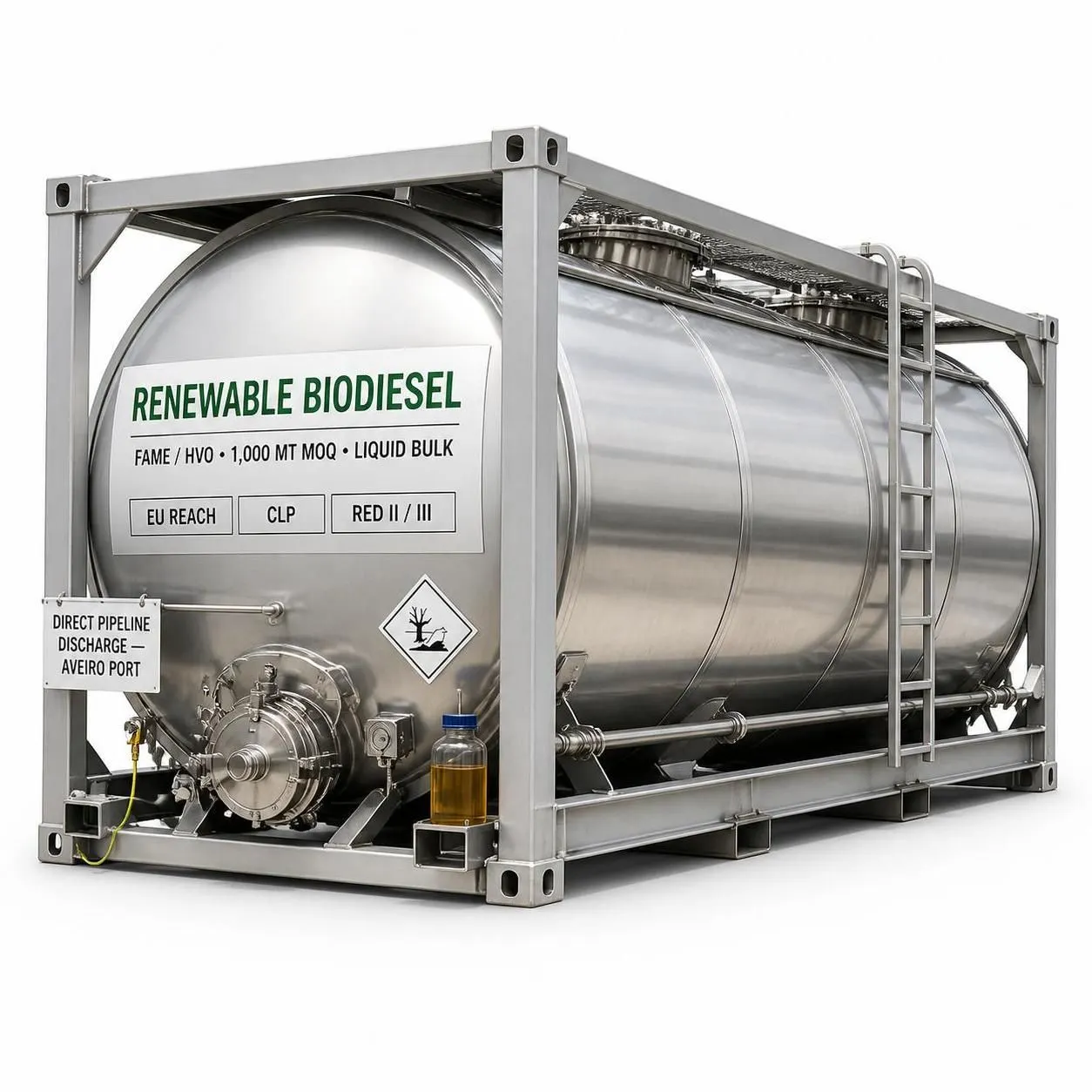
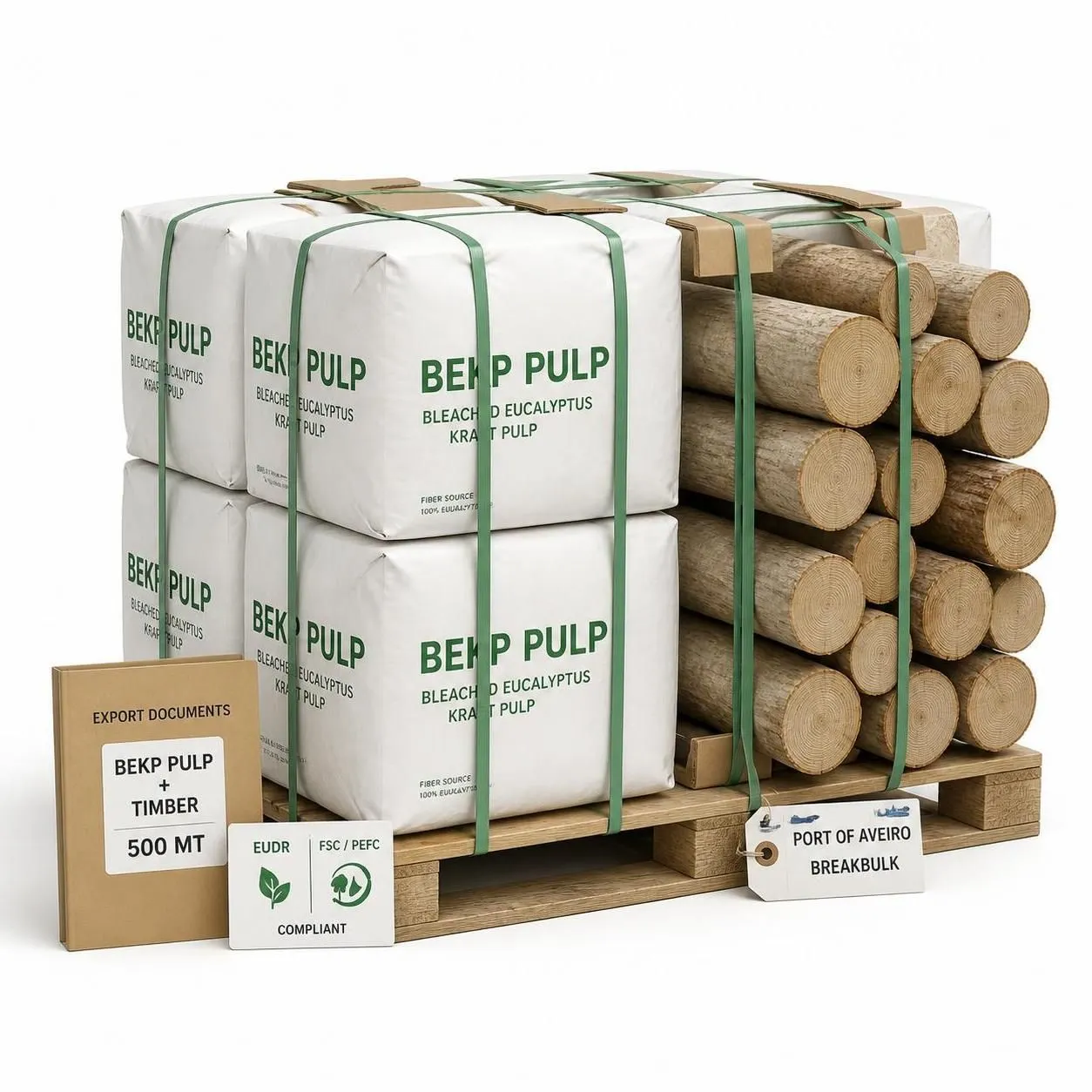
Marketplace categories include agrifood and beverages, bulk grains, energy and chemicals, raw materials, forestry and cellulose, industrial and infrastructure products, project cargo, premium spirits, EU wine exports, and liquid bulk.
3. Are marketplace listings available for immediate purchase?
Most listings are presented as commercial opportunities that require a quote or transaction inquiry rather than instant checkout. Product availability, specifications, volumes, delivery terms, documentation, and pricing must be confirmed before a transaction proceeds.
4. How do I request information about a marketplace listing?
Select the relevant listing and submit a request for a quote or contact the EDTC team. Include your organization, requested quantity, destination, delivery requirements, and any relevant import or compliance information.
5. Why do some products show a price but still require a quote?
Displayed prices may be indicative or based on a specific consignment. The final price can depend on quantity, delivery location, Incoterms, freight, insurance, customs, taxes, inspection, currency, and market conditions.
6. Are marketplace prices inclusive of VAT?
No. Prices shown on the marketplace do not include VAT. The final invoice may include the applicable VAT rate based on the customer’s registered business location, product type, and service jurisdiction.
7. What brokerage fee applies to marketplace transactions?
EDTC charges a brokerage fee of 1.0%–1.5% of the gross value of each physical commodity transaction successfully brokered and concluded through the marketplace. The fee is invoiced separately from membership fees and is subject to applicable VAT.
8. Does my membership affect the brokerage fee?
Yes. The listed brokerage fee tiers are 1.5% for Basic members, 1.3%–1.4% for Standard members, and 1.0%–1.2% for Premium members. The exact rate should be confirmed with the EDTC account manager before a transaction is concluded.
9. Do I need to complete training before using marketplace features?
Certain marketplace activities may be qualification-gated. Businesses seeking to list products, export consignments, or access trade-facilitation services may need to complete relevant compliance and digital logistics training before receiving verified vendor status or expanded marketplace access.
10. Is the EDTC Marketplace currently fully operational?
The website and marketplace are currently presented as demonstrative platforms developed while EDTC raises funds. Listings, prices, product availability, membership benefits, verification features, and transaction processes may change as the initiative develops. All commercial details should be confirmed with the EDTC team before committing to a transaction.
EDTC Membership Plans provide access to selected Digital Marketplace assets and multiple learning resources. Visit the EDTC Membership Plans page to learn more.
1. What payment methods does EDTC accept?
EDTC accepts major credit and debit cards, Google Pay, Apple Pay, PayPal, Stripe, and secure online card payments processed through payment gateways. These payment options can be used for memberships, courses, digital services, and eligible shop orders.
2. Can I pay for an EDTC membership by credit card or digital payment methods?
Yes. Monthly and annual membership plans can be paid online by credit card, debit card, or PayPal, subject to payment approval and availability in your country.
3. What membership plans are available?
EDTC offers Basic, Standard, and Premium membership plans. The current listed prices are €149, €399, and €999 per month, or €1,490, €3,990, and €9,990 per year, respectively, before applicable VAT.
4. Are membership prices inclusive of VAT?
No. Membership prices are displayed before VAT. The applicable VAT amount is calculated according to the customer’s business location, tax status, and the relevant service jurisdiction.
5. How is the EDTC brokerage fee calculated?
The brokerage fee is calculated as a percentage of the gross transaction value of each physical commodity trade successfully brokered and concluded through EDTC. In addition, the brokerage fee ranges are tied to the active membership tier.
6. What brokerage fee applies to each membership plan?
The listed brokerage fee is 1.5% for Basic members, 1.3%–1.4% for Standard members, and 1.0%–1.2% for Premium members. The exact rate should be confirmed in the commercial agreement or transaction documentation.
7. Can you provide an example of the brokerage fee?
For a €100,000 physical commodity transaction, a 1.5% fee would be €1,500, a 1.3% fee would be €1,300, and a 1.0% fee would be €1,000, before applicable VAT or other agreed charges.
8. How are commodity brokerage fees paid?
Brokerage fees are invoiced separately from membership fees and are paid by bank transfer to the designated EDTC business bank account in the European Union. The invoice should identify the transaction, fee percentage, gross trade value, VAT, currency, payment deadline, and bank details.
9. Can commodity brokerage fees be paid by card or PayPal?
Physical commodity brokerage fees are generally settled by SEPA or international wire transfer because these transactions may involve high values, corporate verification, payment references, and formal trade documentation. Alternative payment arrangements must be approved in writing before payment.
10. How does the commodity transaction payment process work?
After the parties complete the required verification and agree on the commercial terms, EDTC issues the relevant brokerage invoice or payment notice. The customer submits the payment using the verified bank details, includes the invoice or transaction reference, and sends proof of payment for reconciliation. Trade execution and settlement remain subject to the applicable contract, compliance review, and confirmation by the relevant parties.
1. How do I place an order through the EDTC shop?
Select the product or service, add it to your cart, review the order details, complete the checkout process, and submit payment using an available payment method.
2. Will I receive an order confirmation?
Yes. After a successful order, EDTC should send a confirmation containing the order number, purchased items, billing details, payment status, and any available delivery or fulfillment information.
3. Can I change my order after placing it?
Contact EDTC support as soon as possible. Changes may be possible before processing or dispatch, but they cannot be guaranteed after fulfillment has started.
4. Can I cancel an order?
Cancellation may be possible before an order is processed, dispatched, or allocated. Contact support promptly with your order number and cancellation request.
5. Can I cancel a membership?
Membership cancellation requests should be submitted through the customer account or by contacting EDTC support. The effective cancellation date, renewal status, and refund eligibility depend on the applicable membership terms and the timing of the request.
6. Are digital courses or downloads refundable?
Refund eligibility depends on whether access has been activated, consumed, or downloaded and on the applicable terms presented at checkout. Any mandatory consumer rights under applicable law remain unaffected.
7. Can I return a physical product?
Eligible physical products may be returned according to the applicable return conditions. Items should generally be unused, complete, undamaged, and returned within the stated return period.
8. Who pays the return shipping cost?
Return-shipping responsibility depends on the reason for the return. EDTC may cover return costs for defective, damaged, or incorrectly supplied items, while customer-requested returns may be subject to customer-paid shipping.
9. What should I do if my order arrives damaged or incomplete?
Contact EDTC support as soon as possible and provide your order number, photographs of the packaging and product, and a description of the issue. Keep the original packaging until the matter is resolved.
10. How are refunds issued?
Approved refunds are normally returned through the original payment method. Processing times may depend on the card issuer, PayPal, payment processor, or bank. Commodity brokerage payments are handled according to the applicable brokerage agreement and are not automatically treated as ordinary shop returns.
1. Does EDTC provide support around the clock?
Yes. EDTC provides 24/7 AI-assisted support for general questions, platform guidance, course navigation, account assistance, and frequently requested information.
AI Transparency: The EDTC uses AI-assisted features for tutoring and personalized learning. You may be interacting with an AI system. All AI-generated course content is independently validated by qualified subject matter experts prior to publication. You may disable AI features without losing platform access. Chat logs are retained for 30–90 days and never used to train external AI models.
2. What can the AI-assisted support service help with?
It can help users find information, understand membership features, navigate courses, review general payment instructions, locate policies, and identify the appropriate next step for common requests.
3. Can I speak with a human support representative?
Yes. Human assistance is available for brokerage operations, trade facilitation, commercial discussions, compliance matters, transaction documentation, and issues requiring professional review.
4. Who handles commodity brokerage operations?
Commodity brokerage operations are handled by EDTC’s human brokerage and account-management team. They assist with verification, transaction coordination, documentation, fee clarification, and communication between relevant parties.
5. Can AI approve or negotiate a commodity transaction?
No. AI-assisted support can provide general information, but commercial approval, negotiation, verification, transaction acceptance, and brokerage decisions must be handled by authorized human representatives.
6. How do I request human assistance for a trade?
Submit a support request via our Contact Page with your company name, contact details, order or transaction reference, commodity, destination, and the type of assistance required. An authorized team member can then review the request.
7. How can I contact EDTC support?
Customers can contact EDTC by email, WhatsApp, our website contact form, or a scheduled meeting with the relevant team. Brokerage customers should include their transaction or invoice reference whenever possible.
8. What information should I include in a support request?
Include your name, organization, membership plan, order or invoice number, a clear description of the issue, and any relevant documents or screenshots. Do not send confidential payment credentials or card details by email.
9. How are urgent brokerage matters handled?
Urgent brokerage matters are escalated to the human brokerage team for review. Priority may depend on the membership plan, transaction stage, compliance requirements, time zone, and the urgency stated in the applicable service agreement.
10. What happens if the AI assistant cannot answer my question?
The request can be escalated to human support. For brokerage, payment reconciliation, regulatory, contractual, and transaction-specific matters, human review is required before a final response is provided.

The EDTC App
Learning, Connecting & Trading Wherever You Go
Access EDTC’s digital trade and eLogistics courses on any device, connect with international trading opportunities, and explore our digital marketplace—all through one convenient platform designed for modern, connected commerce.



or Scan to download
Our Global Network



Subscribe to the EDTC Newsletter for Updates
Get the latest commodities, courses, and trading tips delivered to your inbox.
Business Hub
Resources
Our Partners



Demonstrative Platform Notice: This website and EDTC initiative are demonstrative platforms designed for fundraising purposes. SOLOMON Brokerage OÜ (Registry 16253938, Tallinn, Estonia) currently operates EDTC; a transition to a Portugal-based legal entity is planned upon funding approval. AI Transparency: This platform uses AI-assisted features for tutoring and personalized learning. You may be interacting with an AI system. All AI-generated course content is independently validated by qualified subject matter experts prior to publication. You may disable AI features without losing platform access. Chat logs are retained for 30–90 days and never used to train external AI models. eFTI & Data Processing: The EDTC marketplace is a private B2B/B2G trade facilitation platform—not a sovereign government eFTI Gateway. By submitting transaction data, you consent to transformation into eFTI-standard formats, qualified electronic signatures (eIDAS Regulation 910/2014), and secure retention for 5 years (consignments) and 7 years (audit logs). Educational Certificates: Course completion certifies workforce competency and does not constitute official national certifications or grant access to sovereign eFTI gateways. Full Details: See our Privacy Policy, Cookies Policy, and Terms & Conditions below.
© European Digital Trade Center (EDTC). All Rights Reserved.
Powered by QBRI.Digital